



Problems and solutions by Isomat!
The need to fill floors (to cover water or heating pipes, to restore height differences after removing old wooden flooring, to create sloping floors in rooms and balconies) and to smooth them (placing tiles, carpeting, or plastic or wooden flooring) is present in both new constructions as well as old ones, during renovations.
- The removal of an old wooden floor and its replacement with ceramic tiles leads to height differences when compared to the building’s other floors.

- The layer underneath the original floor is initially cleaned from dust, oils, loose materials, etc., and then “guides” are placed.

- Then, the surface is drenched with water thoroughly, taking care to avoid the creation of pools.

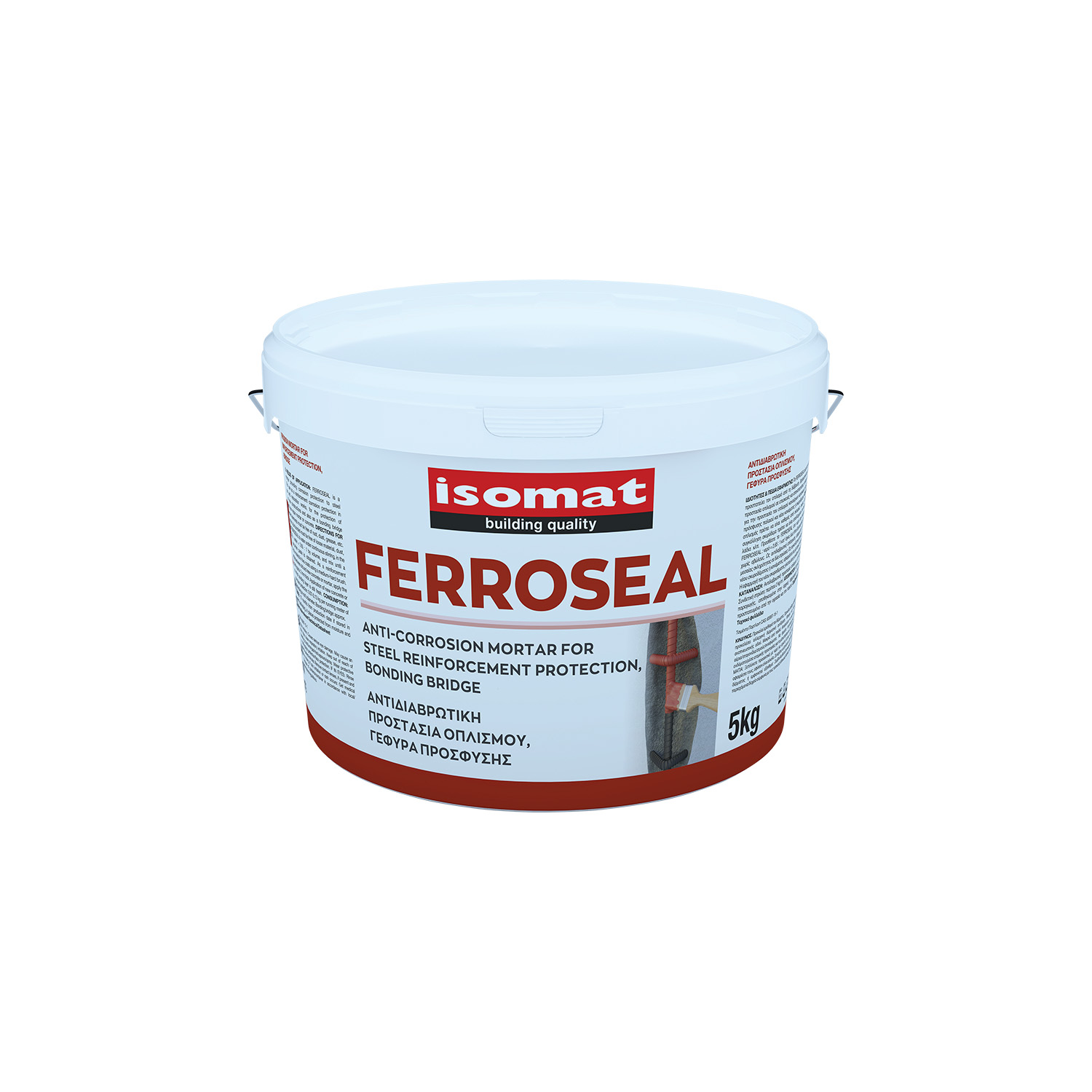
- For small application thickness (up to 3–4 cm), we recommend an application of an ADIPLAST adhesive layer which is previously mixed with cement, sand, and water. Alternatively, the ready-to-use FERROSEAL can be used.

- We mix the SCREED-100 with water, stirring continuously, until a uniform composition is achieved.

- The laying of the SCREED-100 is done just like that of concrete, with a maximum thickness of 10 cm per layer.